Identity Protection (ITDR)
Stolen credentials are the attackers' master key. We implement multi-factor authentication, conditional access policies, and continuous monitoring to ensure that only the right people access the right systems. If anyone tries to gain unauthorized access, we block them.
What is it, and what does it do?
Identity Protection secures your employees' digital accounts: their Microsoft 365 credentials, access to cloud applications, and their identities in Active Directory.
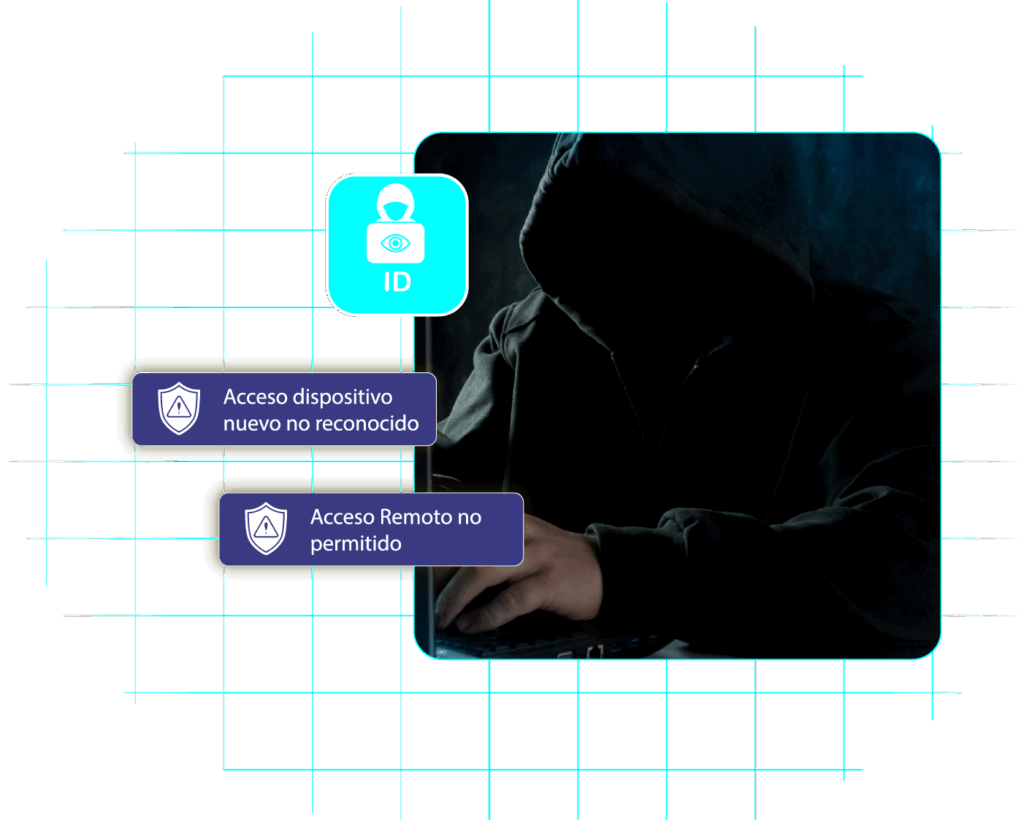
We monitor the dark web to detect whether your company's credentials have been exposed in a data breach. We verify that multi-factor authentication (MFA) is properly configured. And we use behavioral analytics to detect whether someone who shouldn't be there managed to gain access.
Dark Web Monitoring
We scan forums, breach databases, and paste sites for exposed credentials associated with your company's domain.
MFA Verification
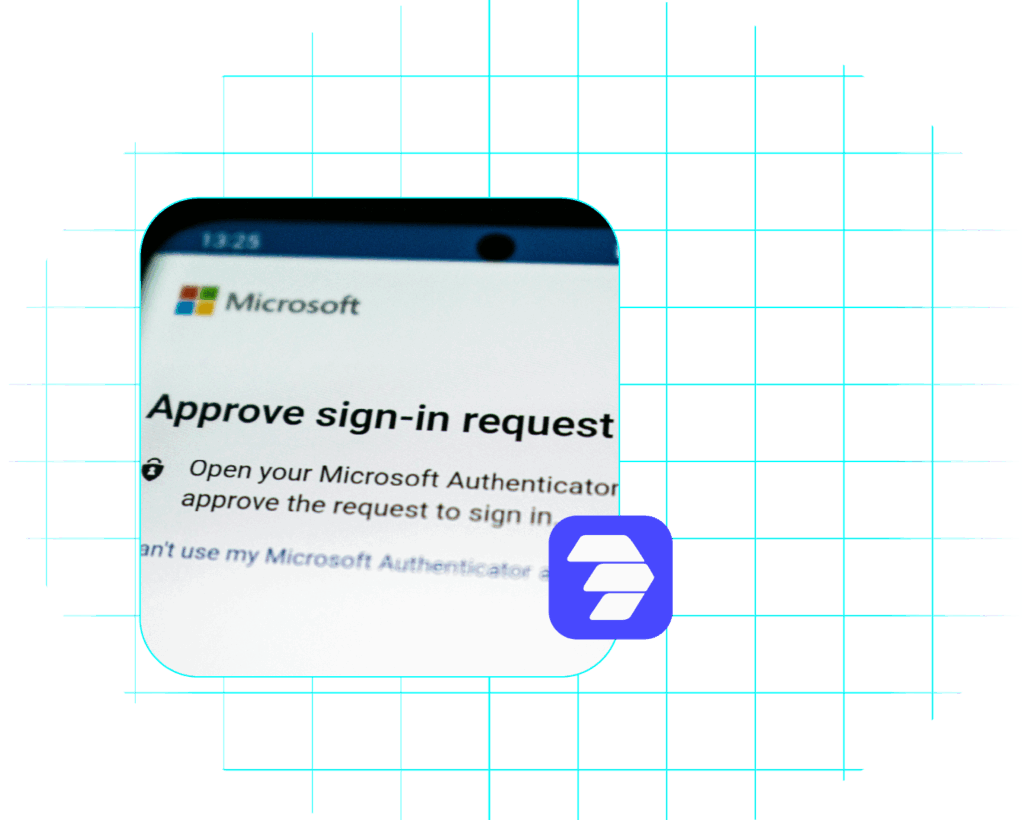
We ensure that all users have MFA enabled and monitor attempts to bypass it.
Behavioral Analysis
We establish a baseline of behavior for each user: where they log in, which apps they use. Any anomaly triggers an alert.
Travel Detection Failed
If a user logs in from Mexico City and then, 10 minutes later, from Moscow, something is very wrong. We detect it and block the user instantly.
What happens if you don't have it?
80% of data breaches involve compromised credentials (Verizon DBIR). Without identity protection, an employee who reuses their corporate password on a personal website that is compromised could grant direct access to your entire infrastructure.
Who is this service for?
Any company that uses Microsoft 365, Google Workspace, or cloud-based SaaS applications. If your employees work remotely, identity protection is even more critical because identity is the only remaining perimeter.